
Seed packets explained in a beginner’s guide to understanding seed packet information. Learn how to read a seed packet so you can start plants from seed.
Learning to read and understand seed packets can be confusing to a beginner gardener. I know I was frustrated trying to figure out seed packet information when I first started gardening. I wanted companies to give me all the information I’d need to grow their seeds successfully.
Because there’s so much information that could go on the back of a packet, seed companies have to narrow it down to what they think is most important, within their design aesthetics.
Now, because I understand more about gardening, it’s easier to give more grace as far as my expectations for what seed companies provide on packets. Because truly, there’s no real way to fit everything a beginner gardener needs to know on a 3.25 by 4.5 inch space.
This post will guide you through most of the information you might see on seed packets. It will help you to find, understand, and use the information you need to successfully start plants from seed.
Let’s dive in!
What information is on a seed packet?
Most seed packets will include information about:
- Starting with First and Last Frost Dates
- Estimated Number of Seeds
- Sell by Date/ Packed for Date
- Germination Rate
- Start Seeds Indoors or Direct Sow
- Days to Germination
- Ideal Temperature
- Sun Requirements
- Planting Depth
- Seed Spacing
- Row Spacing
- Days to Maturity
- Mature Plant Size
We’ll go over each of these terms in detail below.
What do I need to know before reading seed packets?
First Frost and Last Frost Dates
A first frost date refers to the average date that temperatures in your area drop to 32 degrees Fahrenheit (or 0 degrees Celsius) for the first time in a year. For many gardeners in the United States, a first frost happens later in the year. Think Fall or Winter, depending on where you live.
A last frost date is the average date where the temperature dips to 32 degrees Fahrenheit or lower for the last time before the weather warms up. This is usually at the beginning of the year in Spring.
Figuring out your first and last frost dates is super easy. My favorite site to use is the Farmers Almanac. I like that they give you both dates at once.
Just Google “Farmers Almanac frost dates [your city and state or zip code]”.
Frost dates on seed packets
Typically a seed packet will say something like “sow indoors 6 – 8 weeks before last frost”. Now that you have your last frost date, you can count back 6 or 8 weeks, and you’ll know when the seed company recommends you start that particular seed.
Some people use a calendar for this, but you can make it even easier by Googling “ 8 weeks before [your last frost date]”.
One important thing to know- first and last frost dates are always an estimate.
They’re based on average highs and lows in your area from previous years. So just because your last frost says April 13th, for example, you don’t want to automatically plant out all of your precious seedlings on that day. You want to check your 10 day forecast and make sure you don’t have any more frosts coming up.
While you can definitely be adventurous and take risks for an early harvest, I wouldn’t recommend planting out all of any variety of plant you have. If you’re really itching to get your garden out, you can always put out a couple plants at a time to see what happens.
You will have just spent weeks babying your beautiful seedlings. It would be a shame to lose them all 3 days later because of a frost you didn’t know about.
PRO TIP: I like to plan to plant 2 weeks after my last frost to really give myself time to watch the weather. This tends to work well for me because I use the time to get the plants slowly acclimated to being outside.
Estimated Number of Seeds
This number gives you a ballpark of how many seeds you’re getting. The seeds are usually measured out by weight on a machine. Companies know that a certain number of seeds weighs a certain amount. Usually they’re not counted by hand unless they are very large seeds, or on the more expensive side.
This is helpful because you can find out how much you’re paying per seed while you’re shopping. Some companies will give you way more seeds per pack than their competitor. The cheaper seed packet might not always be the best deal. Sometimes the more expensive packet is a better value for your money.
Sell By Date
The biggest thing to know about the sell by date is that it’s NOT an expiration date. Your seeds aren’t like a gallon of milk- they won’t go bad at the end of the year. Now, the germination rate might go down over time (we’ll talk more about that below), but typically you can use old seeds year after year until you use up the pack. I have some seed packets that I’m still working through 5 years later.
The sell by date is really there to tell you what year the seeds were packed for. Seed companies are legally required to sell new seeds every year. Companies and stores have to clear out their inventory each year and only put seeds packed for the next year up for sale.
PRO TIP: Lots of companies will have great sales at the end of the season when people aren’t thinking about gardening as much (think Back to School time in the Fall). You can grab enough seeds for the next year at a huge discount. I’ve done this before and planted out my entire garden the following year for half the price!
Germination Rate/ Germination Percentage
Before selling seeds, companies have to do tests to see how good the seeds are. They take a bunch of seeds, sprout them, and get a germination rate based on how many come up. Ideally the germination rate will be close to 100% for a new pack of seeds.
Most older seeds will still germinate (which is why you don’t want to automatically throw out your seeds at the end of the year), but the success rate may go down a bit.
If you’re using seeds from an older pack, just plant a few more to make sure you still end up with the amount of plants you want for your garden.
There are a few exceptions to this. Onion seeds or pelleted seeds (which are usually really small seeds covered in a clay coating to make them easier to pick up) tend to have really poor germination after 1 year. You can still try to plant them. You might still get something, which is better than wasting the money you already spent on them. But when I do this I also always buy new packs too so it’s a win either way.

Start Indoors/ Direct Sow
Most seed packets will tell you if you should start a seed indoors. This could be under grow lights in your house or in a greenhouse (think tomatoes, peppers, and some flowers). Plants that don’t mind the cold as much (like beets), grow really fast (like radishes), or don’t like to have their roots disturbed (like zucchini) are recommended to plant outside directly in your garden.
A seed pack might say something like “start inside 6 – 8 weeks before last frost”. This is where you tie in looking up your first and last frost dates from the beginning of this article.
Count back the number of weeks recommended (or just Google it) to get the range of when you want to start your seeds.
As you gain experience, you might want to go against the packet and start things indoors that are recommended to be sown directly. For instance, I like to start beans and peas indoors to give myself a couple weeks head start. This will come with time as you start more plants from seed and learn what you like best.
Days to Germinate/ Sprouts In/ Days to Emerge
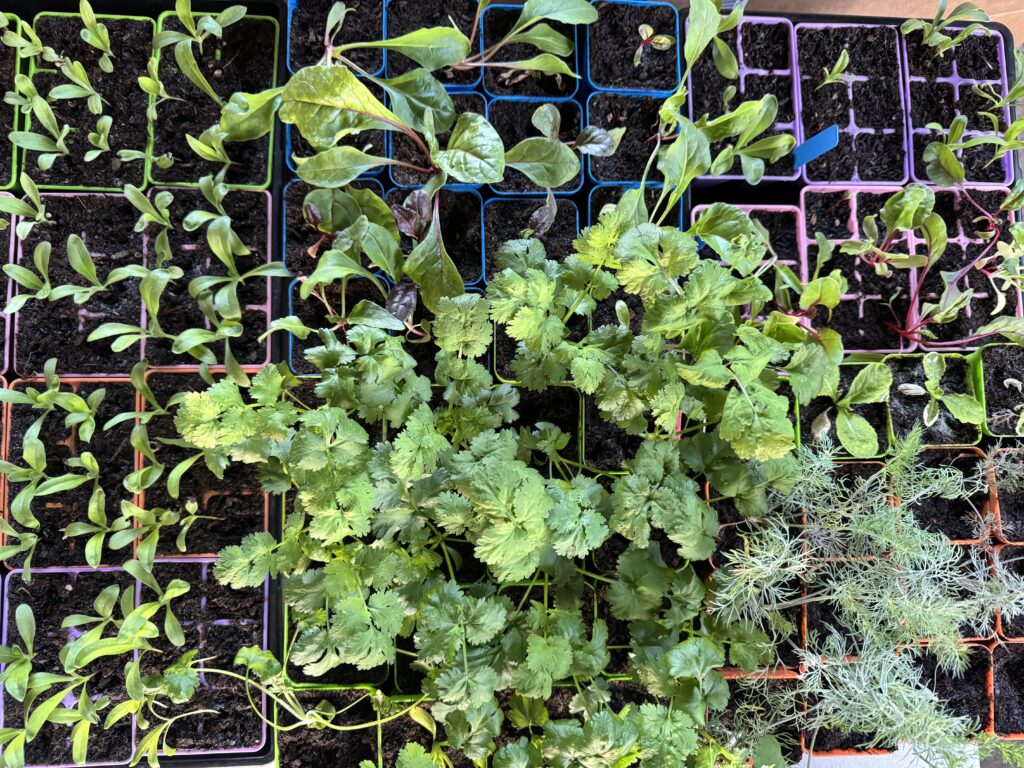
This tells you how long, on average, it takes for you to see a sprout from the seed you planted. Now if you’re like me, you’ll be checking on your seedlings even just a day after planting them because you’re so excited. But this gives you something to set your expectations to.
Beans and peas usually sprout for me within a few days. Peppers however, can take a few weeks to emerge.
Some packets will also include a little picture of what the sprout will look like, which I think is super helpful.
Keep in mind that the days to germinate is based on perfect growing conditions. If your seeds don’t come up within the exact amount of time the packet says, don’t worry.
If something doesn’t germinate in time, I like to give it another 2 weeks. In that time I will try to troubleshoot to see if there’s a condition that seed needs that I’m not meeting. They could be too hot, too cold, not getting enough water, or getting too much water. If after two weeks they still haven’t come up, I’ll try planting another round or move on to something else.
Ideal Temperature
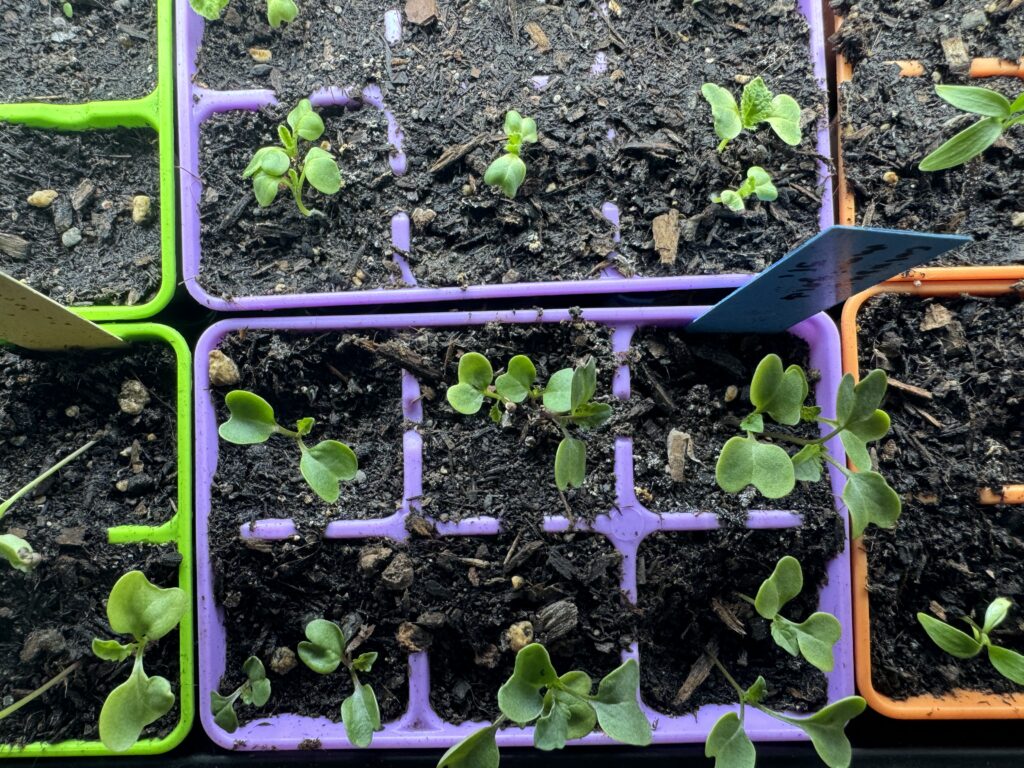
Seeds want to grow. Our job as gardeners is to give them the best conditions we can for that to happen in our backyards. Every seed has an ideal time of year where it knows its time to sprout. Germination temperature tells you what time of year that plant is meant to thrive.
With this information you know when to sow that seed based on the temperatures outside. If you plant things too early when temperatures are too cool, the seed likely won’t sprout until it warms up.
Sometimes, especially with cool weather plants like broccoli or lettuce, you might still get germination even if the weather is too warm for the seeds, but the plant will be weak and will immediately bolt.
A great way to use the ideal germination temperature on seed packets is with starting seeds indoors or in a greenhouse. You can get a great headstart on your gardening season.
I can start pepper plants inside my house months before my outside temperatures are warm enough for them. With the ambient temperatures in my house, plus a heat mat at night, I can create the perfect environment for them to grow. I can get peppers 3 months earlier than I would if I was trying to plant them from seed outside.
Sun Requirements
Most seed packets will tell you if a plant needs full sun, partial sun, or shade. Generally, full sun means that a plant thrives when it gets 6 – 8 hours of direct sunlight a day. Partial sun is 4 – 6 hours, and shade means it likes 4 hours or less a day.
Most plants you’d find in a vegetable garden need full sun. When you’re choosing a place for your garden, it’s good to watch where the sun hits during each season, and for how long. Knowing where the sun is in your backyard helps you design a functional, beautiful garden space.
I live in a hot climate and parts of my garden get 12 hours of sun during the summer. This can be too much for some of my plants. With this in mind, I try to place larger plants that don’t mind the sun in the most exposed areas, and then put more delicate plants in spots that are shaded during part of the day. Because I know the sun pattern in my garden, I can also use the plants themselves to create shade and protection for other smaller plants.
Planting Depth/ Seed Depth
This tells you how deep to put your seed in the ground when planting. Seeds already have all the energy they need to sprout to the surface. However, it is a predetermined amount of energy. After the initial sprout, then they need sunlight to keep growing.
Smaller seeds have less energy stored to work with and need to be closer to the surface. Larger seeds can be planted deeper because the initial stalk and roots will be bigger.
Planting depth is always something I pay attention to on a seed packet. Some seeds like lettuces and carrots are so small that you want to just barely cover them with soil.
Other seeds, like squash, need to be planted deep enough so that the roots don’t come out of the ground and topple the plant.
PRO TIP: If you don’t know the proper seed spacing, you can make a pretty good guess at planting depth by just planting a seed twice as deep as it is wide. So a seed that’s ⅛ inch big (.3 centimeters), can be planted ¼ inch deep (.6 centimeters).
Plant Spacing
Seed packets will also tell you how far apart each plant should be from the next one. Plant spacing ensures that each plant has enough room to grow to a healthy mature size without competing for nutrients with the plant next to it. Keep in mind that this is assuming that you’re growing the same types of plants right next to each other.
Since I like to mix lots of different plants together in my garden and make the most of my space, I do play around a lot with plant spacing. But I always look at the recommended spacing when I’m planting something I’ve never grown before.
Row Spacing
This one is confusing for a lot of new gardeners. The reason it’s on seed packets has to do with farming. Row spacing accounts for the extra room farmers need to get machinery in between plant rows for weeding and harvesting.
If you’re growing in raised beds or in-ground garden beds of any kind, you get to completely ignore row spacing! The walkways you plan into your garden space will already have you covered.
Plant Size
This tells you the average height of a healthy plant. Plant size is good to know so that you can plant taller things in your garden so that they don’t block sun to other smaller plants. That is, unless you do it intentionally like I do to give other plants a little bit of shade in hot summers.
Days to Maturity
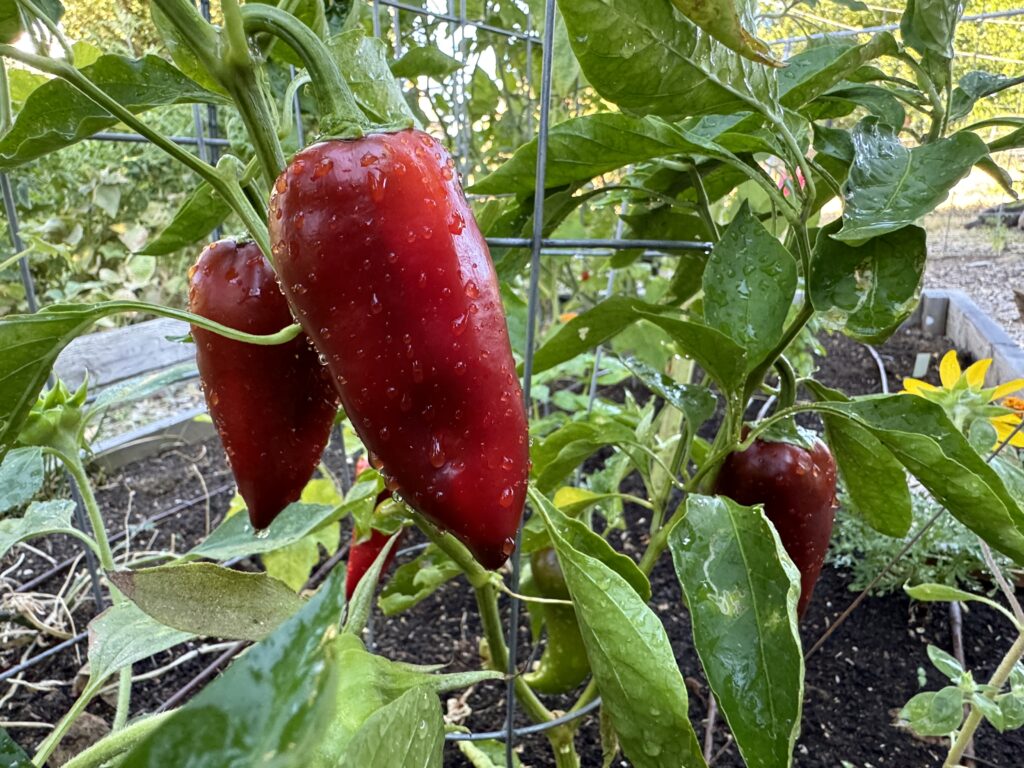
This is the fun part! This tells you how long before you can expect a harvest from your plant. All that hard work is paying off! Now, there are a couple things to know about days to maturity that aren’t included on seed packets.
First, like all information on a seed packet, days to maturity is based on a plant getting absolutely perfect growing conditions. Most gardens just aren’t going to provide that. So you want to treat this number as a ballpark.
If your plant is growing slower but still looks healthy, just give it more time and enjoy your garden while you wait. Or better yet, brainstorm all the yummy things you can make once it’s ready to eat!
The other important thing to know about days to maturity on seed packets is that the “start date” isn’t always calculated from the day you put the seed in the ground.
Sometimes the company is counting from the day you put a transplant (already started plant) in the ground. This assumption is typical of plants that most people start inside. Things like peppers or tomatoes are calculated this way. So if you started your pepper plants 8 weeks before planting them outside, the days to maturity number isn’t counting those first 8 weeks.
But for something that is typically started outside, like a zucchini or a pea plant, the days from seed start are counted.
This is something that I didn’t know until I’d been gardening for 3 years, and I still don’t hear a lot about. So if you’re a new gardener, just relax and enjoy the process of learning how plants like to grow in your garden.
What’s not on a packet
Like we talked about at the beginning of this post, seed companies will have different information on their packets. Some are super helpful and will pack a lot of the things above into that tiny little space. Others, not so much.
When it comes to filling in the gaps, you have a couple of options.
First, you can look up any information you want to know online. Type in the plant and the information you want. For example, you might search for something like “Cherry Tomato Days to Maturity”.
You might find a few conflicting opinions online, so use your best judgement. There’s usually a range for success and you’ll learn so much from trying the first time.
Next, you can also look at a similar seed from a different company. If the specific variety of seed is new to you, but you have other seeds for the same type of plant, you can still use the information.
Let’s say you’re growing a Ping Tung Eggplant for the first time and have no clue where to start. If you’ve grown a more common Black Beauty Eggplant before, you can use those growing guides to get going.
Also, because seed packets are so small, companies might include more information in their online catalogs. Just search the variety on their website to see what else you can learn.
You can also ask your community. If you have a friend or neighbor who gardens near you, ask them what they think. Gardeners are usually really excited to share knowledge.
And if you’re buying seeds in a nursery, try asking for help. Garden center employees can be a wealth of knowledge. If they don’t know the specific answer they can usually point you in the right direction.
I hope that this article helps you understand seed packets and the information on them. Now you’re ready to explore the exciting world of growing food and flowers from seed!
Leave a Reply