
Garden zones explained to you in a simple, easy to understand way. Learn how to find your growing zone and know exactly how to use it for successful backyard gardening.
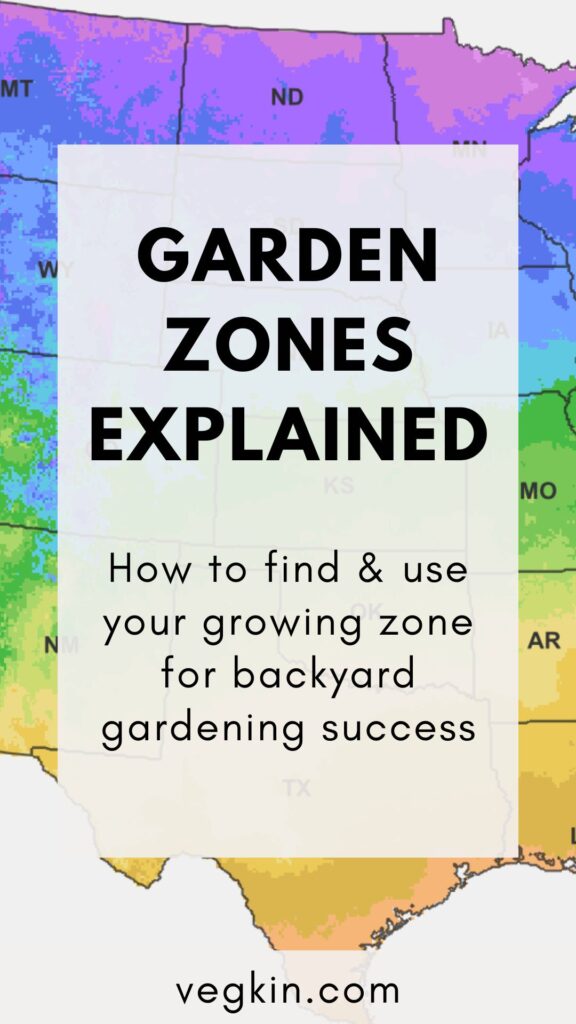
When you first start gardening (especially if you’re learning online like I did), you’ll pretty quickly notice people mentioning something called “zones”. They might say things like “My growing zone is…” or “ I’m in zone…” and rattle off a number and letter that you have no clue about.
It sounds like some weird secret language at first.
What they’re actually talking about are the USDA Planting Zones. They’re also commonly called garden zones, planting zones, or hardiness zones. The name might change depending on who you’re talking to, but know that they’re all the exact same thing.

What are Garden Zones?
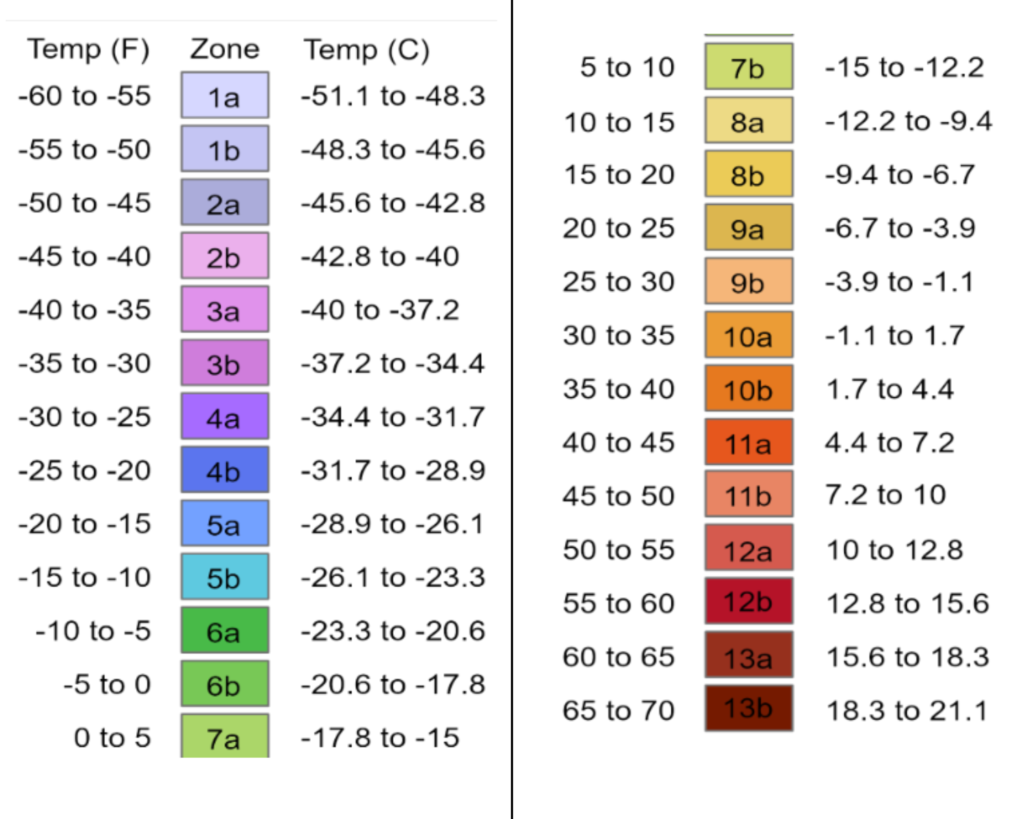
The USDA Plant Hardiness Map breaks up the United States and its territories into different categories (or zones). These are based on the average low temperatures in each area.
The zones start at Zone 1A with an average low temperature of -55 to -60 degrees Fahrenheit (like parts of Alaska). They go all the way to Zone 13B with an average low of 65 to 70 degrees Fahrenheit (like parts of Puerto Rico).
The zones change based on 10 degree increases, and the letters, like subcategories, change by 5 degree increases.
Where Using Plant Zones Goes Wrong
A common misconception that new gardeners have about garden zones is that if someone has the same zone as you, then they also have the same weather.
For instance, someone could be in Zone 7 in Oregon or in North Carolina. The problem is that these two places have very different weather throughout the year and very different growing conditions. A plant that thrives in mostly temperate Oregon might struggle with disease in hot and humid North Carolina.
People in the same growing zones can also have completely different dates when they could safely start their backyard garden. Hardiness zones only tell you how cold it gets in an area. It has nothing to do with when your area is warm enough to put your vegetables and flowers outside.
Another issue with the zone map is that it doesn’t take into account certain microclimates that might affect your area.
For instance, you might find that your actual garden zone is different from what the map tells you because your town might be in a slight valley, or be close to a large body of water. Higher elevation or average rainfall might also put you closer to a different zone than what’s listed for you.
Are Hardiness Zones Still Accurate?
In late 2023 the USDA updated the zone map to reflect weather changes. Some people found that their new zone didn’t actually apply to them.
This map change buzzed around the gardening world, but in the end it didn’t change what a lot of people were seeing or doing in their own gardens.
So if all of that is the case, why were Plant Hardiness Zones created? And more importantly, why do gardeners care about garden zones at all?
The zone map was created for perennials. It helps gardeners know what perennial plants will do well in their area.
Perennials vs. Annual Plants
These are two terms you’ll hear a lot when diving into backyard gardening: perennials and annuals.
An annual plant is exactly what it sounds like. It’s a plant that only lasts for one full growing season (or gardening year) in your garden. These plants will either complete their entire life cycle from sprout to final seed production in one garden season, or they’ll die from temperatures becoming too hot or too cold for them.
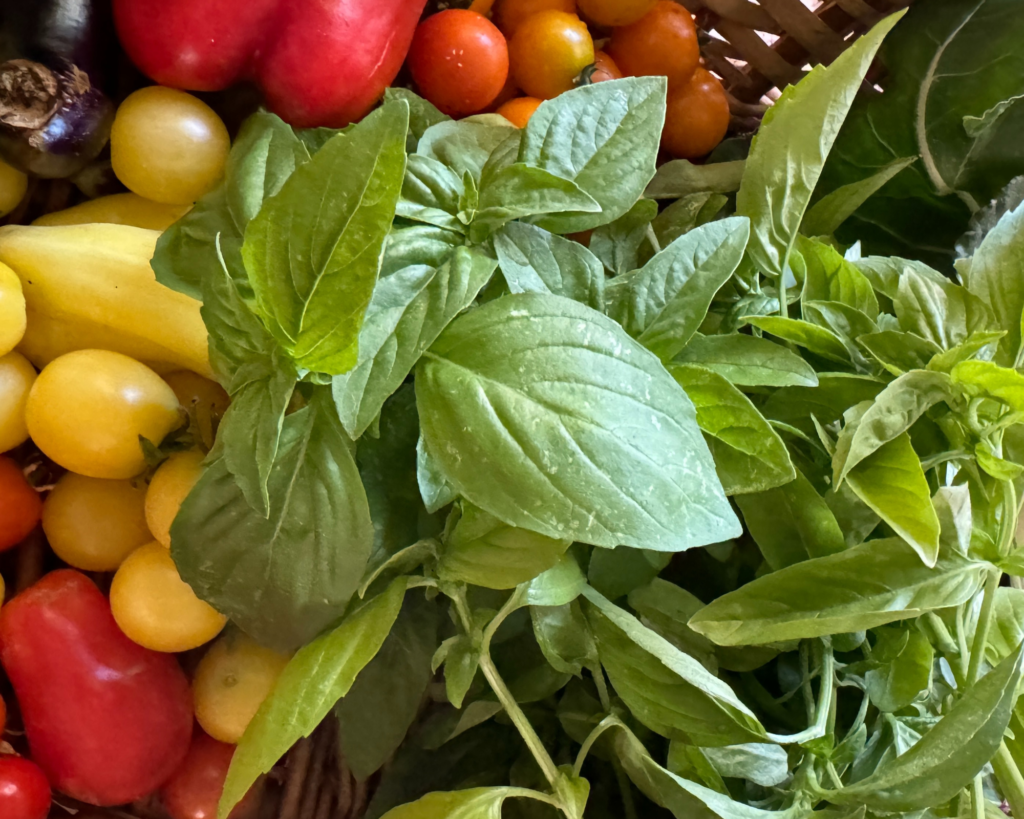
Gardeners tend to replant annuals every year. For example, think of what’s for sale outside stores every Spring- things like tomatoes, cucumbers, marigolds, and basil.
Perennials are plants that survive multiple years in your garden. While they may be slightly affected by the heat or cold, these plants largely continue to thrive or go dormant and return the next year. Typically these are plants that gardeners plant once and continue to enjoy for years afterwards.
Perennial plants may include different types of herbs, berry bushes, and fruit trees.
Where zones and perennials get interesting
Now here’s where the fun with knowing your zone begins. Depending on the lowest temperatures in an area, a plant that’s an annual in one place can be a perennial somewhere else.
Have you ever heard of a pepper tree?
Most people in the US haven’t. I hadn’t until a couple years ago. That’s because in most places in the country, Winter temperatures are too cold for pepper plants to survive. Most gardeners are used to buying or starting new pepper plants every year for their vegetable gardens.
But in Zone 10 and above gardeners can successfully “over winter” their pepper plants and have them come back the next year.
And in other warmer parts of the world, pepper plants grow into huge trees with amazing harvests. So cool!
Find your Growing Zone
So now that you know all about plant zones, what they’re for, and how to use them, let’s find yours.
All you have to do is Google “Garden Zone (insert your city, town, or zip code)”. Entering your zip code might be the most helpful if you live in a big, spread out city.
If you want your official zone designation, Google “Garden Zones” and click on the USDA Hardiness Zone Map. Here you can see the actual map and search your zip code.
How to use your garden zone for successful backyard gardening
The best way to use the zone map is to think of it as another tool in your tool belt. Zones can be a great guideline, or place to start in your garden.
For brand new gardeners, they can be really useful to help set expectations. It’s the difference between knowing that some plants die because they’re not meant for your area, not because you’re a bad gardener.
Also, local nurseries can be an amazing resource. Their whole business relies on selling plants that will do well for you.
Also, you can always talk to other gardeners in your town about what they’re growing. More experienced gardeners might bend the rules on what “should” grow well. They’re can also be very generous with sharing what they’ve learned.
Changing your growing zone
Speaking of bending the rules a bit, if you know what zone you’re in, then you can create environments in your garden to move up or down a zone.
Gardeners (and farmers) will do something called “season extension” where they build structures or systems that help keep plants alive sooner or longer.
Backyard gardeners do things like start plants indoors where it’s warmer or build cold frames to cover garden beds in the winter.
You can also keep berry bushes and fruit trees in pots. This allows you to move them inside in the colder months. Many people do this with citrus because they live in climates where the trees would not normally survive Winter.
Large examples of season extension structures are greenhouses, hoop houses, or high tunnels. All of these systems, along with adding heaters, keep plants warmer than the outside temperatures.
Everybody’s talking about it
When you meet gardeners in other places it really is fun to talk about what zone you’re in. Learning about the temperatures where they live can turn into a fascinating chat about what they’re growing.
If you find someone with the same zone who lives in a different area, there’s still a lot you can learn from them. You can get lots of ideas for what you might be able to add to your own garden. But just remember that climate still plays a large role in what does well in your backyard.
Do your research and treat it all as an experiment. The best thing about growing food (besides the awesome harvests) is all the fun you can have learning along the way.
If this article was helpful to you, please consider leaving a comment below. I’d love to hear what zone you’re in and how your garden is going.
Leave a Reply